Understanding Speech and Language Challenges in Autism
Children with Autism Spectrum Disorder (ASD) often face unique challenges with speech and language. Some may not speak at all, others might speak but have difficulty using language to communicate effectively. Speech and language difficulties can include:
● Delayed speech development
● Limited vocabulary
● Difficulty understanding or using words and sentences
● Challenges with social communication, like taking turns or making eye contact
● Repetitive or unusual speech patterns
These challenges can make everyday interactions difficult and impact a child’s ability to express needs, feelings, and thoughts.
What is Speech-Language Therapy?
Speech-Language Therapy (SLT) is a targeted intervention designed to help children with autism improve their ability to communicate. It focuses on developing:
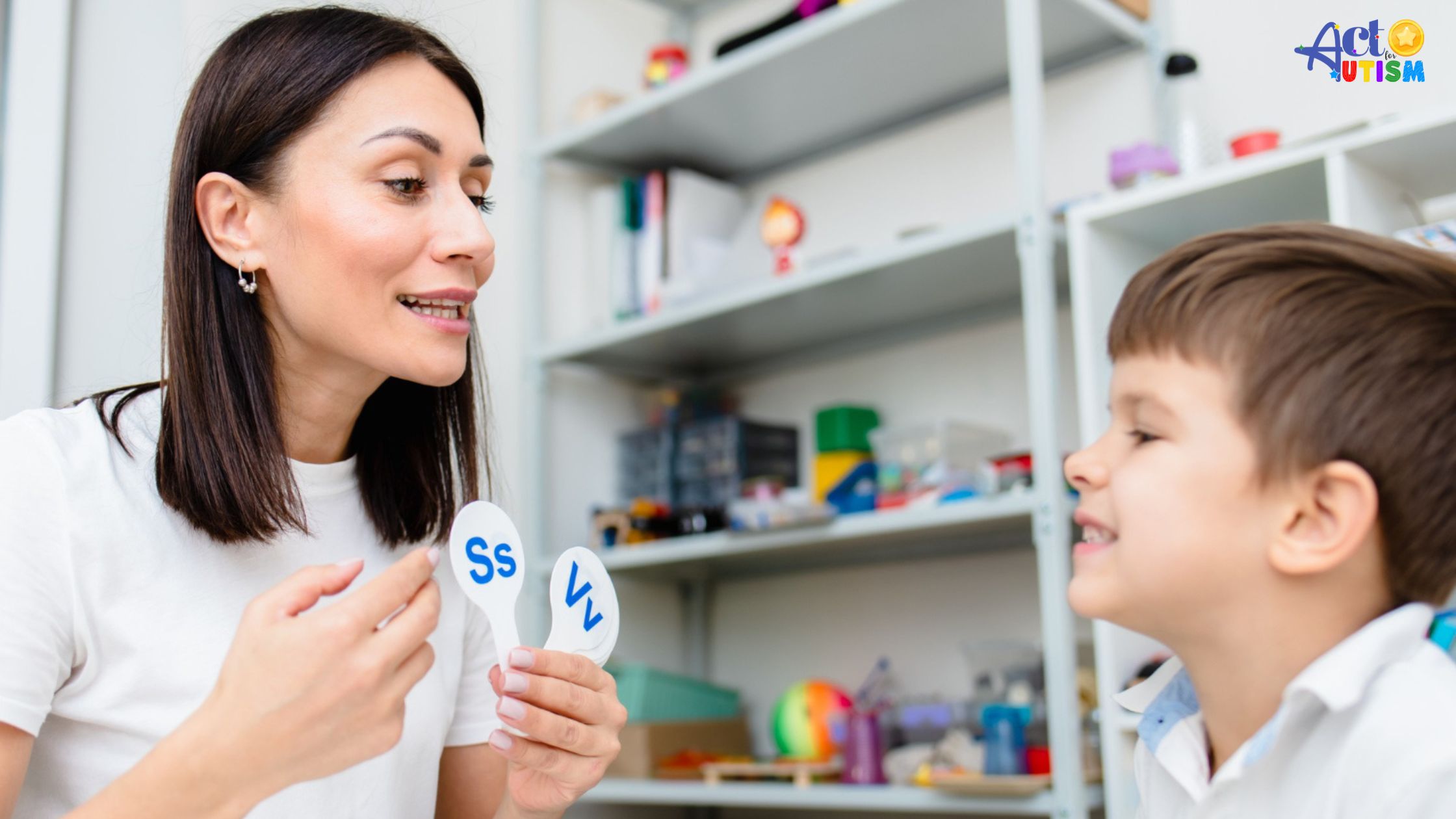
● Speech sounds — helping children pronounce words clearly
● Language skills — expanding vocabulary and sentence structure
● Social communication — using language appropriately in conversations and social situations
● Alternative communication methods — such as gestures, picture boards, or communication devices, especially for non-verbal children
A speech-language pathologist (SLP) works closely with the child and family to tailor therapy goals and techniques to the child’s individual needs.
How Does Speech-Language Therapy Help Children with Autism?
1. Building Communication Foundations
For non-verbal or minimally verbal children, therapy may start with building foundational skills like eye contact, turn-taking, and gestures. These are crucial stepping stones toward verbal communication.
2. Expanding Vocabulary and Language Use
Therapists use fun, engaging activities to teach new words, how to combine them into sentences, and how to use language for different purposes—asking questions, making requests, or sharing ideas.
3. Enhancing Social Communication
Children with autism often struggle with the social rules of communication. Speech therapy helps them learn how to start and maintain conversations, understand sarcasm or jokes, and read social cues.
4. Using Alternative and Augmentative Communication (AAC)
For children who cannot yet speak, therapists may introduce AAC tools—such as picture exchange systems (PECS), tablets, or speech-generating devices—that empower them to communicate their needs and feelings.
What Does a Typical Speech Therapy Session Look Like?
Speech therapy is designed to be engaging and child-friendly. Sessions might include:
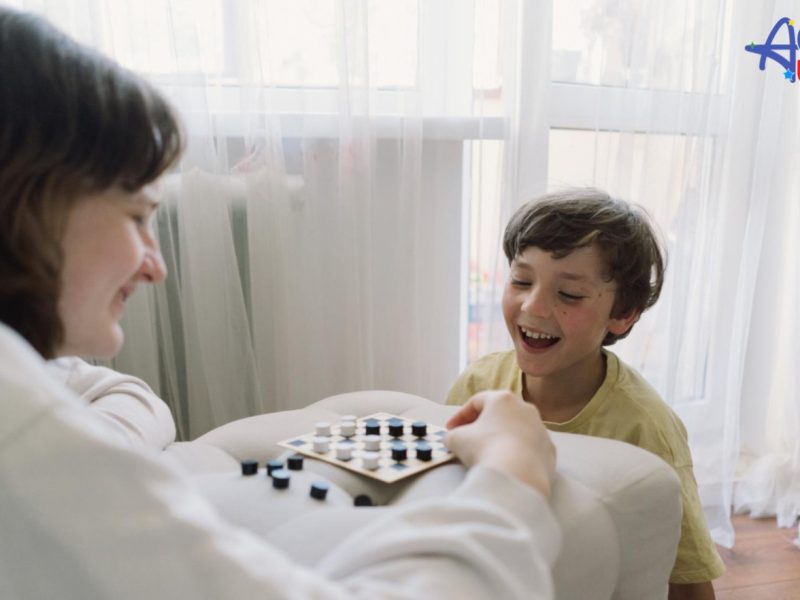
● Interactive games and play
● Storytelling and role-playing
● Using pictures, toys, or technology to encourage communication
● Practicing sounds and words in real-life situations
● Parent coaching to carry therapy strategies into daily routines
Therapists regularly assess progress and adapt the approach to best support each child’s growth.
Real-Life Success Story
“Initially, my daughter would only use a few words and struggled to express herself. After a year of speech therapy, she started forming short sentences, asks questions, and even participates in class discussions. Her confidence has soared, and our family communication is much richer.” — Anita, parent
How Parents Can Support Speech Development at Home
● Talk to your child throughout the day, narrating activities and naming objects
● Use simple, clear language and repeat new words
● Encourage gestures and alternative ways to communicate
● Read books together and ask questions
● Celebrate all attempts at communication to build confidence
When to Seek Speech-Language Therapy?
If your child shows signs like delayed speech, limited vocabulary, difficulty following instructions, or challenges interacting socially, consider consulting a speech-language pathologist. Early intervention can make a significant difference.
Final Thoughts
Speech-Language Therapy is a vital tool that helps children with autism unlock the power of communication. Whether your child is just beginning to speak or needs support refining their language skills, therapy can open doors to stronger connections, learning, and self-expression.
Ready to Help Your Child Find Their Voice?
Our experienced speech-language therapists specialize in autism and individualized therapy plans. Contact us today to schedule an assessment or learn more about our services.