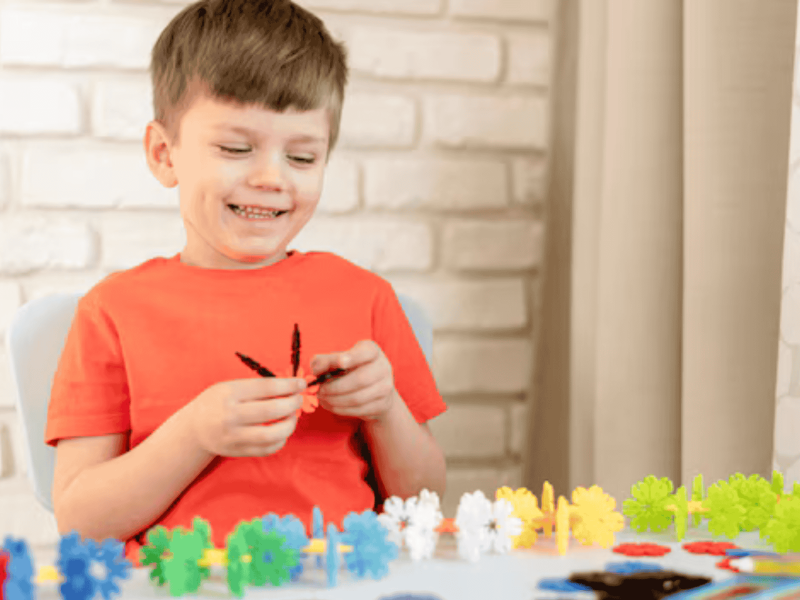

Behavior Therapy is one of the most effective and evidence-based approaches for supporting children with Autism Spectrum Disorder (ASD). It helps children develop positive behaviors, reduce challenging actions, and build essential communication, social, and daily living skills.
With early and consistent intervention, behavior therapy can bring meaningful, long-term improvements in a child’s quality of life.
What Is Behavior Therapy?
Behavior Therapy is a structured, scientific approach that focuses on understanding how behaviors are learned and how they can be positively changed.
It uses proven techniques such as reinforcement, routines, and skill-building strategies to encourage desirable behaviors while reducing behaviors that interfere with learning and social interaction.
Why Is Behavior Therapy Important for Children with Autism?
Children with autism may experience challenges such as:
- Difficulty expressing needs or emotions
- Repetitive or self-stimulating behaviors
- Tantrums, aggression, or frustration
- Trouble adapting to changes in routine
- Social and peer interaction difficulties
Behavior therapy helps identify the reasons behind these behaviors and teaches functional alternatives that improve daily life at home, school, and in social settings.
Types of Behavior Therapy Used in Autism
1. Applied Behavior Analysis (ABA)
Applied Behavior Analysis (ABA) is the most widely researched and commonly used behavior therapy for autism.
It breaks skills into small, achievable steps and uses positive reinforcement to strengthen helpful behaviors.
2. Discrete Trial Training (DTT)
DTT is a structured ABA-based technique that teaches specific skills through repeated practice, clear instructions, prompts, and rewards.
3. Verbal Behavior Therapy (VBT)
Verbal Behavior Therapy focuses on improving language and communication by teaching the purpose and use of words, gestures, and communication tools.
4. Natural Environment Teaching (NET)
NET encourages learning through real-life situations such as playtime, daily routines, and social interactions, helping children generalize skills beyond therapy sessions.
How Does Behavior Therapy Work?
Behavior therapists begin with a detailed assessment of the child’s behavior, strengths, and environment. Based on this, they:
- Set clear and measurable therapy goals
- Use positive reinforcement (praise, tokens, preferred activities)
- Teach replacement skills (e.g., communication instead of tantrums)
- Use visual supports and consistent routines
- Track progress and modify strategies as needed
What Does a Behavior Therapy Session Look Like?
Each therapy session is individualized and may include:
- Structured teaching with clear instructions
- Play-based learning activities
- Social skills and interaction training
- Communication practice
- Parent guidance and involvement
Sessions are designed to be engaging, supportive, and developmentally appropriate.
Real-Life Impact: A Parent’s Experience
“My daughter used to have frequent tantrums when she couldn’t express herself. After a year of behavior therapy, she learned to use picture cards and simple words to communicate. Her meltdowns have reduced, and she’s more confident and happy.”
— Neha, Parent
How Parents Can Support Behavior Therapy at Home
Parents play a vital role in therapy success by:
- Maintaining consistency in routines and expectations
- Reinforcing positive behaviors with praise and rewards
- Using visual schedules and clear instructions
- Practicing therapy strategies daily
- Staying patient and celebrating small progress
When Should You Consider Behavior Therapy?
Behavior therapy may be beneficial if your child shows:
- Communication delays
- Challenging or disruptive behaviors
- Difficulty with social skills
- Challenges with independence and daily routines
Early intervention often leads to better long-term outcomes.
Final Thoughts
Behavior Therapy empowers children with autism to develop meaningful skills, improve communication, and reduce behaviors that limit learning and social interaction.
With the right guidance, consistency, and support, children can achieve positive growth and greater independence.
Ready to Start Your Child’s Behavior Therapy Journey?
Our experienced therapists offer personalized behavior therapy programs tailored to your child’s unique needs.
Contact us today for an assessment and take the first step toward positive change.