
At Act For Autism, our Autism Therapy Centre in Mohali, we provide behaviour therapy for autism using a neuroaffirming and relationship-centred approach. We support children across Mohali, Chandigarh, and Panchkula by understanding behaviour as meaningful communication rather than something to fix. Our goal is to help children build essential life skills in a safe, supportive, and respectful environment.
Understanding Behaviour: Communication, Not a Problem
In Behaviour Therapy for Autism, every action whether it’s a meltdown, withdrawal, repetition, or refusal reflects a child’s needs, environment, or emotional state.
Instead of labelling behaviours as “challenging,” we focus on understanding them:
- Behaviour = Communication
- Distress = Unmet needs or overload
- Regulation comes before learning
By identifying the root cause, we provide more effective and compassionate support.
Also Read: Understanding Cognitive Skills and Cognitive Therapy in Autism
Who Can Benefit from Behaviour Therapy for Autism?
Behaviour therapy for autism in Mohali can benefit:
- Children diagnosed with autism spectrum disorder (ASD)
- Kids facing communication challenges
- Children with sensory sensitivities
- Difficulty with emotional regulation or frequent meltdowns
- Challenges in social interaction and flexibility
Our therapy is personalised based on each child’s unique strengths and needs.
Our Approach to Behaviour Therapy In 2026
1. Neuroscience-Informed Practice
We understand that behaviour is deeply connected to the brain and nervous system. Many behaviours arise from:
- Sensory overwhelm or sensory-seeking needs
- Emotional regulation difficulties
- Need for predictability and safety
- Communication and processing differences
We focus on regulating the nervous system instead of suppressing behaviour.
2. Neuroaffirming Values
As a neuroaffirming autism therapy centre in Mohali, we:
- Respect autism as a natural neurotype
- Honour autonomy and consent
- Avoid compliance-based or punitive methods
- Support individuality and strengths
- Preserve safe self-regulation behaviours like stimming
3. Naturalistic Developmental Behavioural Interventions (NDBI)
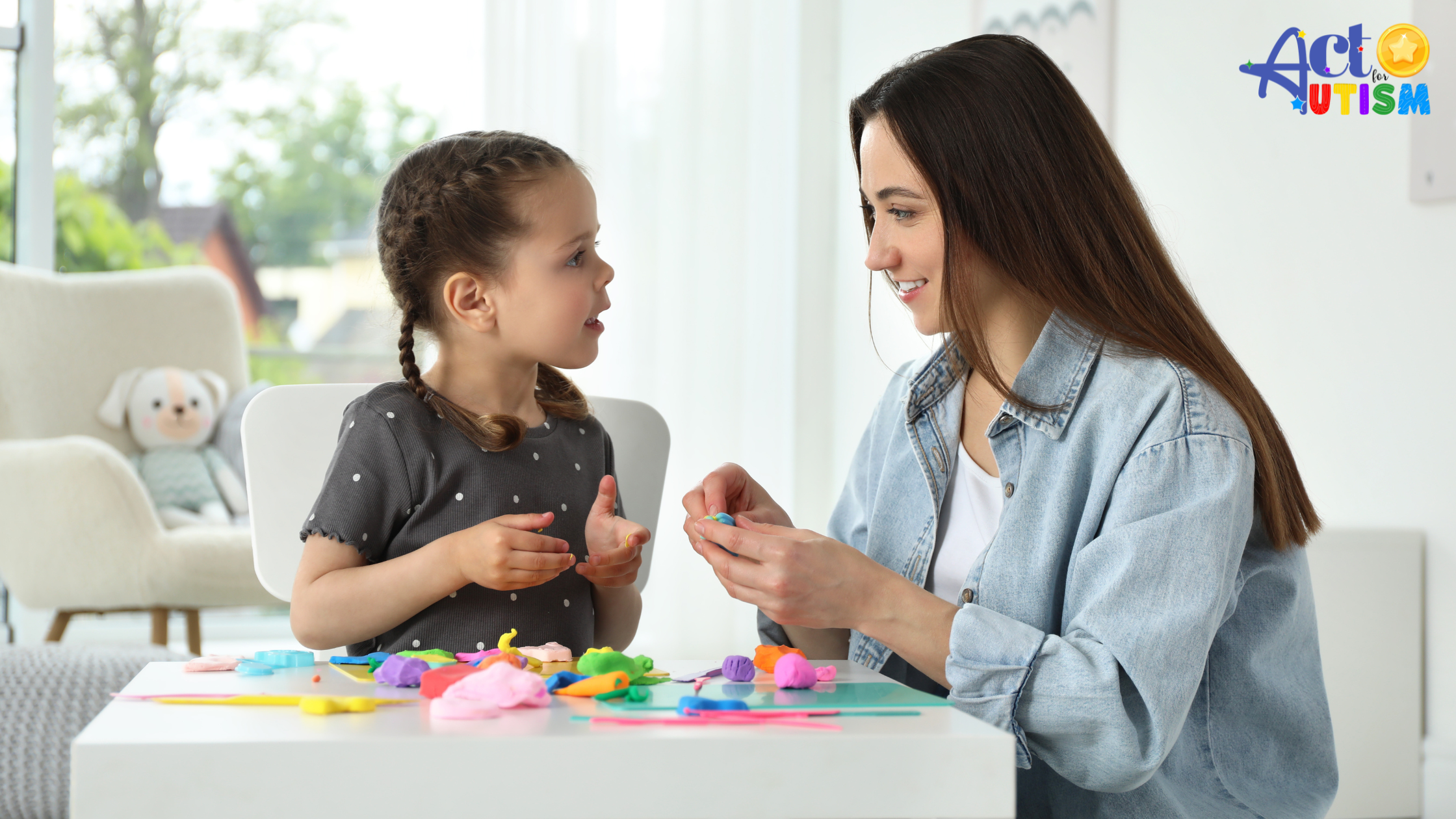
We use play-based, child-led strategies where learning happens naturally:
- Therapy is embedded in daily routines
- Focus on motivation and engagement
- Builds communication and social connection
Examples include:
- Expanding communication during play
- Using a child’s interests to build interaction
- Following the child’s lead to increase engagement
Positive Behaviour Support (PBS): A Compassionate Framework
Our behaviour therapy for autism follows Positive Behaviour Support principles:
Step 1: Understand the Behaviour
We identify what the child is trying to communicate:
- Is it sensory, emotional, or communication-related?
Step 2: Modify the Environment
We adapt surroundings to reduce stress:
- Minimise sensory overload
- Increase predictability
- Use visual supports
Step 3: Teach Replacement Skills
We replace behaviours with meaningful alternatives instead of just stopping them.
Key Skills We Help Develop
Communication Skills
- Requesting help or breaks
- Expressing emotions
- Using AAC, gestures, or verbal language
Emotional Regulation
- Recognising body signals
- Using calming techniques (movement, breathing, deep pressure)
- Co-regulation with adults
Flexibility & Coping
- Gradual exposure to change
- Building tolerance in a safe way
Social Skills
- Turn-taking and shared attention
- Understanding social cues and boundaries
Benefits of Behaviour Therapy for Autism
Behaviour therapy for autism in Mohali helps children:
- Improve communication and expression
- Reduce meltdowns and distress
- Develop emotional regulation skills
- Increase independence and confidence
- Build meaningful social connections
The Importance of Relationships
We believe real progress happens through connection, not control. Our therapy focuses on:
- Building trust and emotional safety
- Responsive and attuned interactions
- Supporting co-regulation before self-regulation
When children feel safe and understood, learning becomes more natural and effective.
What We Avoid
As a neuroaffirming centre, we do not use:
- Compliance-based strategies
- Punishment or withholding comfort
- Forced eye contact
- Rigid behaviour control methods
These approaches may give short-term results but can increase long-term stress and anxiety.
What Families Can Expect
Our behaviour therapy services in Mohali are:
- Individualised and child-centred
- Collaborative with parents and educators
- Focused on long-term development
- Rooted in dignity, respect, and empathy
We also guide families to create supportive environments at home and school.
Frequently Asked Questions (FAQs)
What is behaviour therapy for autism?
It is a structured approach that helps children develop communication, social, and emotional skills by understanding behaviour as communication.
Is behaviour therapy safe for children?
Yes, especially neuroaffirming approaches focus on respect, safety, and emotional well-being.
How is your approach different from traditional ABA?
We avoid compliance-based methods and focus on connection, autonomy, and natural learning.
Where can I find behaviour therapy for autism in Mohali?
You can visit Act For Autism, our autism therapy centre in Mohali, where we provide personalised, evidence-based support.
How long does therapy take?
The duration varies depending on the child’s needs and goals.
Get Started Today..!
Looking for behaviour therapy for autism in Mohali?
Act For Autism is here to support your child’s journey with compassion and expertise. Contact us today to schedule an assessment and begin a personalised therapy plan.
Also Read: Sensory Integration Therapy: Helping Children Make Sense of the World