At Act For Autism, we provide evidence-based social skills therapy for children with autism across the Tricity region, including Chandigarh, Mohali, and Panchkula. Our approach is grounded in neuroscience, child development, and neuroaffirming practices that respect every child’s unique communication style and social personality.
We believe social skills therapy should never focus on forcing children to “fit in” or suppress who they are. Instead, therapy should help children build meaningful connections, improve communication, understand social situations, and confidently participate in school, home, and community life.
Our goal is to create supportive environments where authentic interaction and emotional connection can naturally develop.
Also Read: Autism Treatment for Children in Mohali: A Neuroscience-Based
Understanding Social Skills in Autism In 2026
Social skills are the abilities that help us connect, communicate, and build relationships with others. These skills include:
- Initiating and responding to conversations
- Sharing attention and engagement with others
- Turn-taking and cooperation
- Understanding verbal and non-verbal communication
- Emotional awareness and empathy
- Perspective-taking and flexible thinking
- Maintaining and ending conversations appropriately
For children with autism, social interaction may feel confusing, overwhelming, or unpredictable. Many autistic children want to connect with others but may need structured support to understand and navigate social environments.
Common Social Challenges in Children with Autism
Children with autism may experience differences in the way they communicate, interpret emotions, or respond to social situations.
Some common areas of difficulty include:
1. Joint Attention Challenges
- Difficulty sharing focus with another person
- Limited pointing, showing, or referencing objects and experiences
2. Social Reciprocity Difficulties
- One-sided conversations
- Difficulty with back-and-forth interaction
3. Non-Verbal Communication Differences
- Reduced or different use of facial expressions, gestures, or body language
- Difficulty understanding tone of voice or facial cues
4. Emotional Understanding
- Difficulty recognising emotions in themselves or others
- Challenges interpreting social reactions
5. Perspective-Taking
- Difficulty understanding another person’s thoughts, feelings, or intentions
6. Difficulty Adapting to Social Situations
- Preference for routine or predictable interaction
- Challenges handling unexpected changes or group settings
At our autism therapy centre in Chandigarh, Mohali, and Panchkula, we understand that these are not “failures” or “bad behaviours.” They are neurological differences that require understanding, structured support, and compassionate intervention.
How Social Skills Therapy Helps Children with Autism
Our therapy programs focus on building the underlying foundations required for meaningful social interaction instead of teaching memorised or scripted behaviours.
1. Regulation Before Communication
Children engage socially more effectively when they feel emotionally and physically regulated.
Our therapy sessions support:
- Sensory regulation
- Emotional safety
- Reduced anxiety in social situations
- Better attention and engagement
A calm and regulated nervous system creates the foundation for successful communication and connection.
2. Relationship-Based Therapy
Connection comes before instruction.
Our therapists build trust and engagement through:
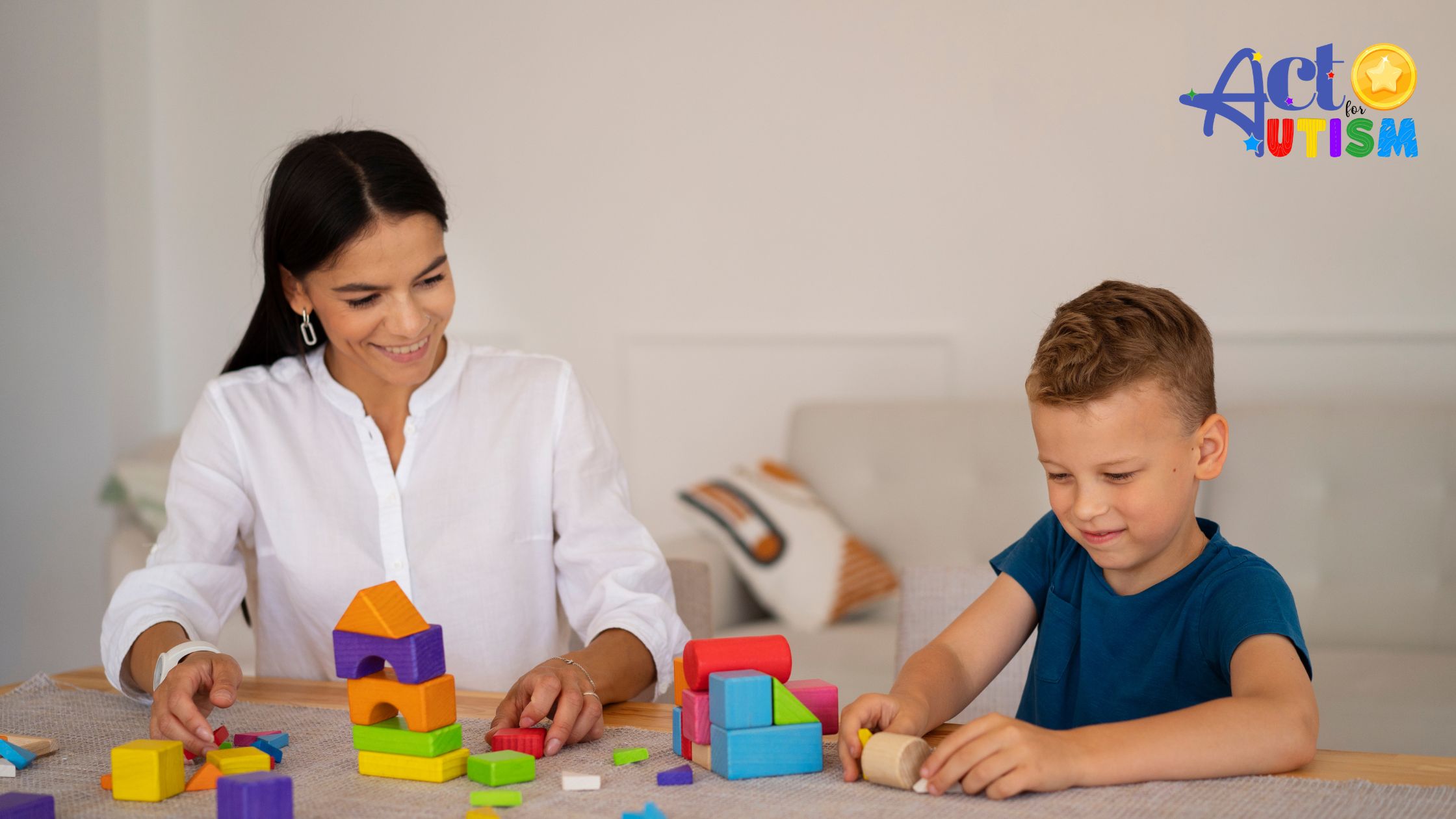
- Child-led interaction
- Play-based learning
- Responsive communication
- Interest-based activities
Rather than using rigid drills, we use natural interactions that encourage authentic participation and emotional connection.
3. Naturalistic Developmental Approaches
We integrate social learning into real-life situations through:
- Play activities
- Daily routines
- Peer interactions
- Group participation
This helps children generalise social skills beyond the therapy room into school, home, and community settings.
4. Explicit Teaching of Social Understanding
Some social concepts need to be taught in a clear and visual way.
We use:
- Social stories
- Visual schedules and cues
- Step-by-step social explanations
- Real-life role-play activities
These strategies help children better understand social expectations and improve confidence during interaction.
5. Communication Development as the Foundation of Social Skills
Communication and social interaction are deeply connected.
Our therapy supports:
- Initiating communication
- Expanding expressive language
- Improving receptive language
- Understanding conversations
- Alternative communication systems (AAC) when required
As communication skills improve, children naturally become more confident in social environments.
Social Skills Group Therapy in Chandigarh, Mohali & Panchkula
Group therapy provides children with valuable opportunities to practise social interaction in structured peer environments.
Benefits of Social Skills Groups
- Real-time peer interaction
- Learning turn-taking and cooperation
- Developing flexibility in group settings
- Improving confidence in communication
- Learning through observation and imitation
Our group sessions are carefully designed to ensure:
- Safe and supportive environments
- Similar developmental levels within groups
- Guided interaction with trained therapists
Real-Life Social Participation & Inclusion
Social skills therapy is most meaningful when children can apply their learning in everyday life.
Support for Mainstream School Inclusion
We help children:
- Participate in classroom activities
- Engage with classmates
- Follow group routines
- Communicate their needs effectively
We also collaborate with parents and educators to support inclusive learning environments.
Community-Based Learning
At Act For Autism, we encourage social development beyond the clinic through:
- Community outings
- Playgroups
- Group activities
- Real-world social practice
This allows children to build confidence and independence in natural social settings.
Strategies Used in Our Social Skills Therapy Programs
Our therapists use evidence-based strategies including:
- Modelling and guided interaction
- Role-play and video modelling
- Visual supports and social narratives
- Peer-mediated interventions
- Sensory regulation techniques
- Parent and teacher coaching
Every therapy plan is individualised based on the child’s communication style, sensory profile, and developmental needs.
A Neuroaffirming Approach to Autism Therapy
At our Tricity autism centre, we do not believe in forcing autistic children to appear “neurotypical” or suppress their natural personality.
Instead, we focus on:
- Respecting different communication styles
- Encouraging authentic self-expression
- Supporting mutual understanding
- Building confidence and emotional safety
- Valuing meaningful connection over forced interaction
Our approach is compassionate, respectful, and focused on helping children thrive as themselves.
How We Measure Success in Social Skills Therapy
Success is not about making children “fit in.”
True progress means helping children:
- Feel confident during interaction
- Build meaningful relationships
- Communicate their thoughts and needs
- Participate in school and community life
- Experience connection and belonging
Final Thoughts
Social skills are not simply behaviours to memorise—they are deeply connected to communication, emotional regulation, sensory processing, and relationships.
With the right support, autistic children can develop meaningful social connections while remaining true to who they are.
At Act For Autism, Chandigarh, Mohali, and Panchkula, we create safe, supportive, and neuroscience-based environments where communication, confidence, and connection can grow naturally.
Also Read: Behaviour Therapy for Autism in Mohali: A Neuroaffirming, Relationship-Centred Approach