Everyday activities such as holding a pencil, getting dressed, eating independently or playing with other children are important parts of a child’s development. However, for some children with autism, these activities may require additional support because of difficulties with motor coordination, sensory processing or daily living skills.
This is where occupational therapy can make a difference. It helps children develop practical skills that support their participation in everyday activities at home, school and other social settings. Through structured exercises and play-based activities, children get opportunities to practise new skills according to their individual abilities.
Understanding how occupational therapy works and what it can help with can make it easier for parents to recognise their child’s needs and explore suitable support. In this blog, we will discuss its key benefits and when parents may consider occupational therapy for their child.
What Is Occupational Therapy for Children with Autism?
Occupational therapy helps children develop the physical, sensory and functional skills needed to participate in everyday activities. For children with Autism Spectrum Disorder (ASD), it may focus on areas such as hand movements, body coordination, sensory responses, self-care and play.
An occupational therapist begins by understanding the child’s abilities and identifying activities they find difficult. Based on this assessment, the therapist plans suitable exercises and activities to work towards individual developmental goals. For example, a child who struggles with pencil grip may practise activities that strengthen hand muscles, while a child who finds certain textures uncomfortable may explore sensory materials through gradual, supported activities.
The therapy is tailored to each child’s strengths, preferences and support requirements. The aim is to help children develop useful everyday skills at a comfortable pace rather than expecting every child to follow the same learning process.
How Does Occupational Therapy Benefit Children with Autism?
Occupational therapy supports children with autism in several areas of development, helping them build practical skills, manage everyday challenges and participate more comfortably in daily activities. Some of its key benefits include:
Better Fine Motor Skills and Hand Coordination
Fine motor skills involve the small movements of the hands and fingers. Children use these skills for activities such as holding a pencil, drawing, buttoning clothes, using a spoon and picking up small objects.
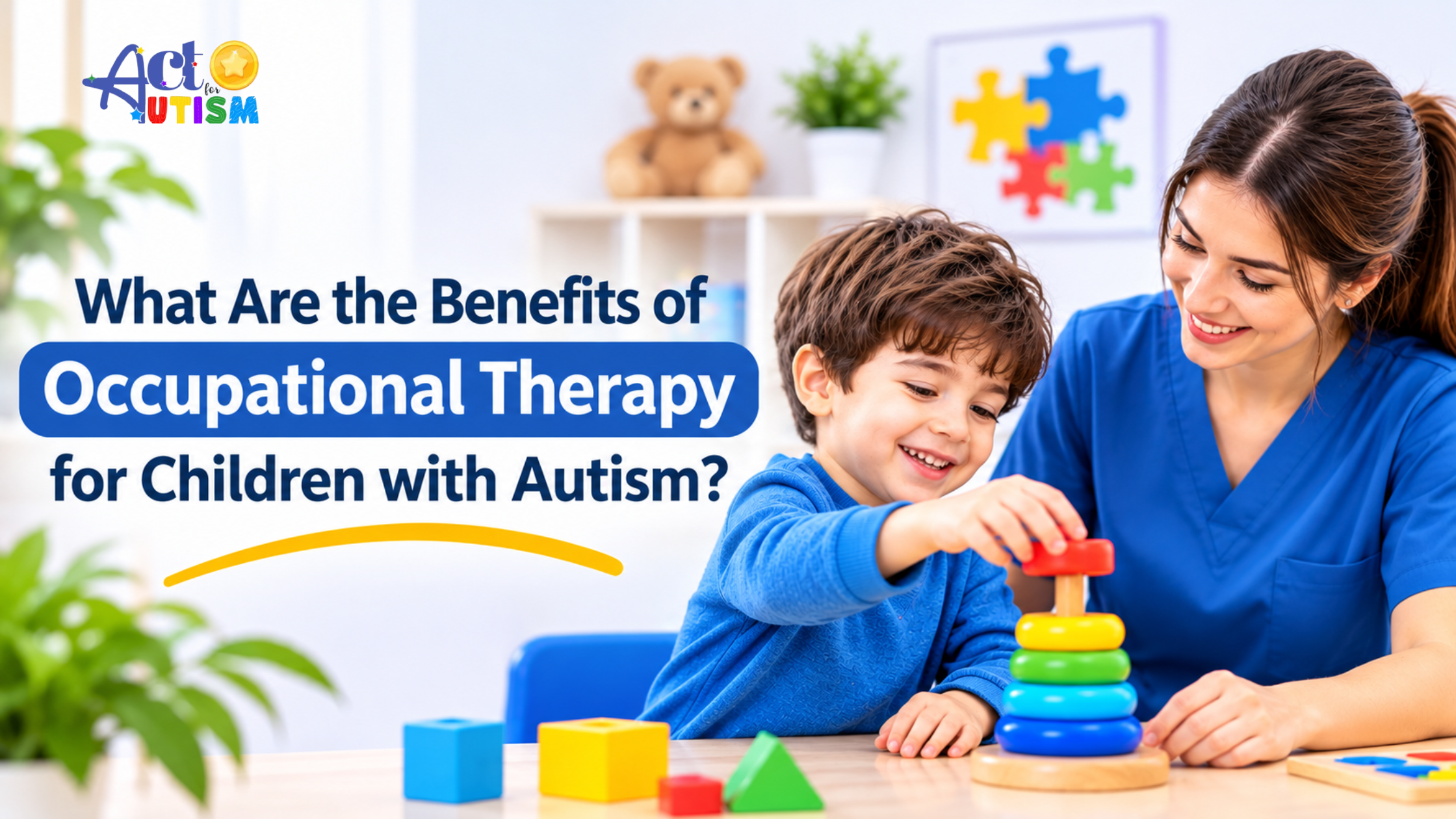
Some children with autism may find these activities difficult because of challenges with hand strength, finger control or coordination. Occupational therapy uses practical activities such as colouring, threading beads, playing with clay, stacking blocks and using child-safe scissors to help children practise these movements.
Developing better fine motor control can make everyday tasks easier and also support activities such as handwriting, drawing and using classroom materials.
Improved Sensory Processing and Regulation
Children with autism may experience differences in how they respond to sounds, lights, textures, smells, tastes and movement. For example, a child may feel uncomfortable in a noisy environment, avoid certain food textures or dislike wearing particular types of clothing. Others may seek movement or enjoy specific sensory experiences.
These differences can sometimes make everyday situations difficult to manage. Occupational therapy helps identify the child’s sensory preferences and challenges so that suitable strategies can be introduced.
Depending on the child’s needs, therapy may include activities involving different textures, movement, balance and sensory materials. The focus is on helping children manage sensory experiences and participate more comfortably in their daily routines.
Greater Independence in Daily Activities
Learning to manage everyday tasks is an important part of childhood development. Activities such as dressing, brushing teeth, washing hands, eating and organising personal belongings require several skills that children develop gradually.
Some children with autism may need additional guidance with these activities. Occupational therapists help break tasks into smaller steps and give children opportunities to practise each step through repetition and appropriate support.
For instance, a child who finds dressing difficult may first learn to identify clothing items, put on a shirt and then practise managing buttons or zips. This step-by-step approach can help children become more involved in their personal care and develop greater independence over time.
Better Balance, Posture and Body Coordination
Body coordination plays an important role in activities such as walking, running, jumping, climbing and playing games. Some children with autism may experience difficulties with balance, posture, body awareness or controlling their movements.
Occupational therapy may include movement-based activities such as ball games, balance exercises, obstacle courses and climbing activities. These exercises encourage children to practise controlling their body movements and maintaining balance.
Improved coordination can support participation in physical play, classroom activities and other everyday tasks that involve movement.
More Participation in Play and Social Activities
Play is an important way for children to explore their surroundings, develop interests and learn new skills. Through play, they also get opportunities to interact with others and understand simple social activities.
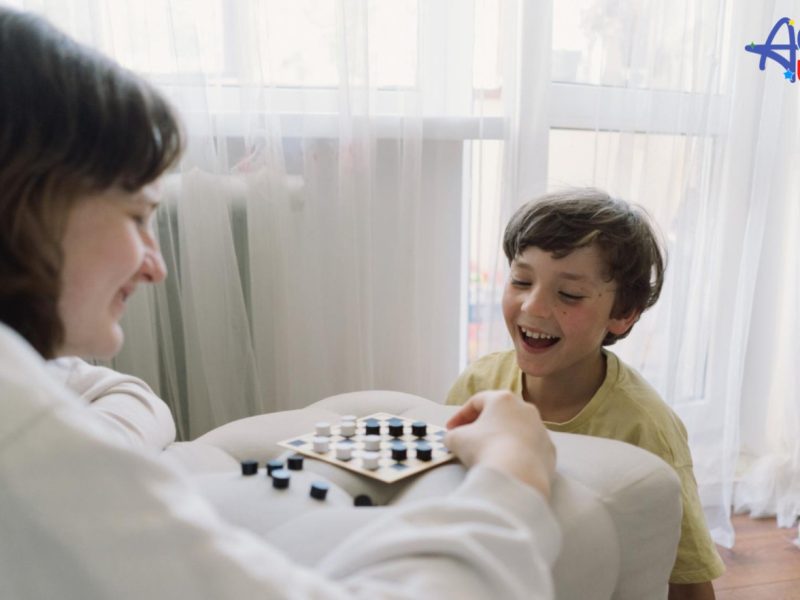
Some children with autism may prefer playing independently or need additional support with sharing, taking turns and participating in group activities. Occupational therapists use puzzles, building blocks, pretend play and simple games to encourage engagement.
These activities provide opportunities to practise taking turns, following instructions, exploring new games and participating alongside other children. The aim is to make play meaningful and enjoyable while respecting each child’s interests and preferences.
Support for Attention and Classroom Activities
Children need several skills to participate in classroom activities, including following instructions, using learning materials, completing tasks and staying engaged.
Some children with autism may find certain classroom activities challenging, especially when they involve multiple steps or require fine motor control. Occupational therapy can support the development of skills needed for these activities through puzzles, sorting exercises, drawing, matching games and visual instructions.
These activities can help children practise visual-motor coordination, task organisation and engagement, which may support their participation in classroom routines and learning.
When Should Parents Consider Occupational Therapy?
Parents may consider occupational therapy when they notice that their child is having difficulty with everyday activities or needs additional support in developing certain skills. These challenges may become noticeable during playtime, mealtimes, dressing, personal care or classroom activities.
Some common signs that may indicate a need for an occupational therapy assessment include:
- Difficulty holding a pencil, using a spoon or handling small objects.
- Discomfort with certain sounds, textures, lights or food.
- Difficulty with dressing, brushing teeth or other self-care activities.
- Challenges with balance, posture or body coordination.
- Difficulty participating in play or activities with other children.
- Needing additional support to follow daily routines and transitions.
If these difficulties affect a child’s ability to participate in everyday activities, consulting an experienced occupational therapist or a specialised therapy centre like ACT for Autism can help parents understand their child’s needs. The therapists can assess the child’s abilities, identify areas requiring support and recommend suitable activities and therapy goals.
Occupational therapy can be helpful at different developmental stages, and there is no single age at which every child should begin. The right time depends on the child’s individual needs and the challenges they experience in daily life.
Conclusion
Occupational therapy can play an important role in helping children become more comfortable and independent in their everyday lives. From improving hand coordination and managing sensory experiences to developing self-care skills and participating in play, therapy provides children with opportunities to practise and strengthen these abilities at their own pace.
Every child learns and develops differently, so the support they receive should reflect their individual strengths, needs and challenges. Recognising where a child needs help and providing the right guidance can make everyday activities easier to manage and encourage greater independence over time.
For parents exploring occupational therapy and autism intervention services in Mohali and Chandigarh, ACT for Autism offers occupational therapy and sensory integration programmes based on children’s developmental needs. Parents can visit ACT for Autism to learn more about its services and explore the support available for their child’s development.
Recommend Read: When Should Parents Be Concerned About Speech Delay in Children?